
The House of Juanitha: Temu finds
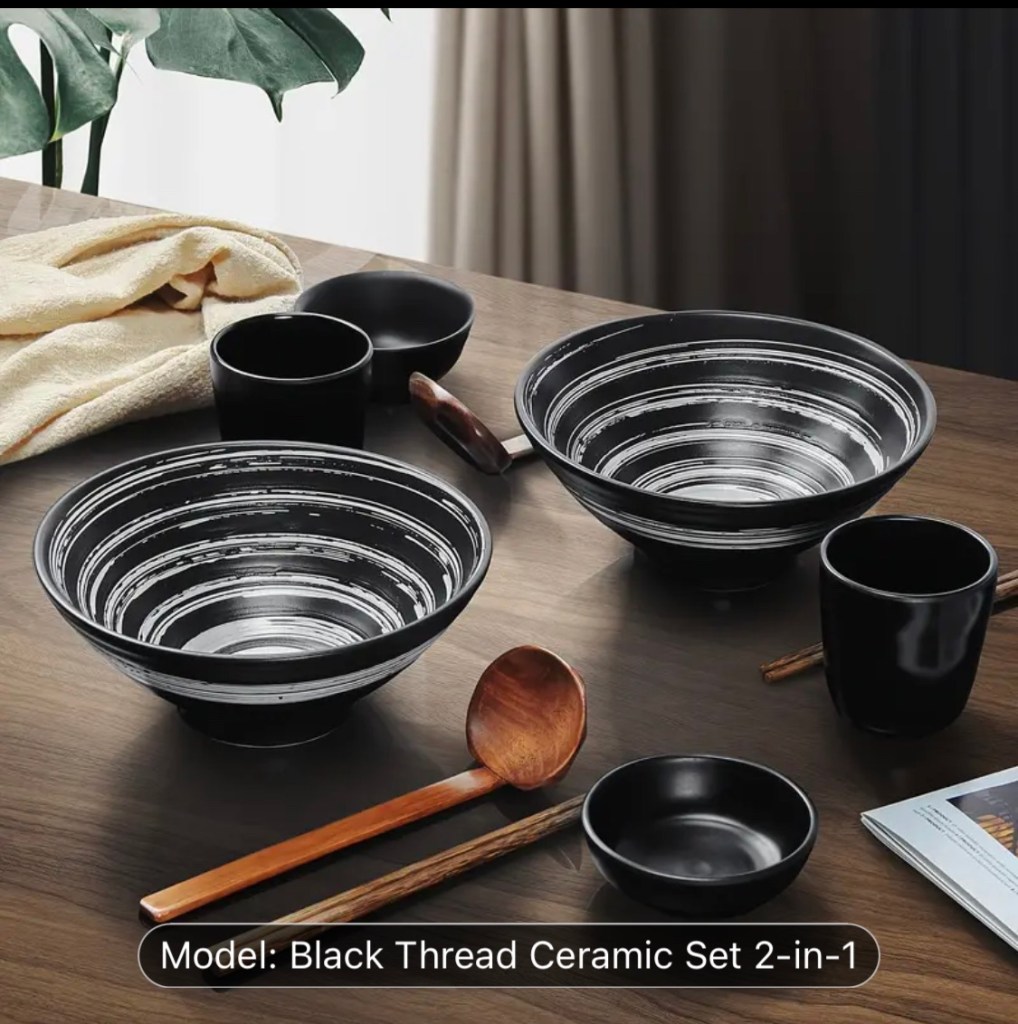
Servingware: Large Noodle/Ramen Bowl Set
The popularity, cultural significance, and aesthetic appeal of incorporating noodle/ramen bowl sets in Western home decor and dining experiences.
Taking note that noodles and ramen are prepared differently. Noodles are typically boiled in salted water until they are tender, then drained and served with the desired sauce or topping. On the other hand, Ramen is boiled in water with kansui, which gives the noodles their unique texture and yellow colour.
Influenced by Japanese tableware, ramen bowls are the most versatile for serving noodle and soup dishes. Served hot during winter, simmered meats and vegetables are served over noodles and finished with toppings. Mostly feature a large opening at the top and a thinner base to accommodate a substantial amount of ingredients.
Choosing the best ramen/noodle bowl can significantly impact our overall dining experience. When selecting a ramen bowl, consider the size, optimum holding capacity, height, colour, and material.
Ramen bowls come in a variety of sizes, each suited to a specific dining ambiance. Bowls can be made of ceramic, melamine, wood, and stainless steel. all are excellent materials for ramen bowls.
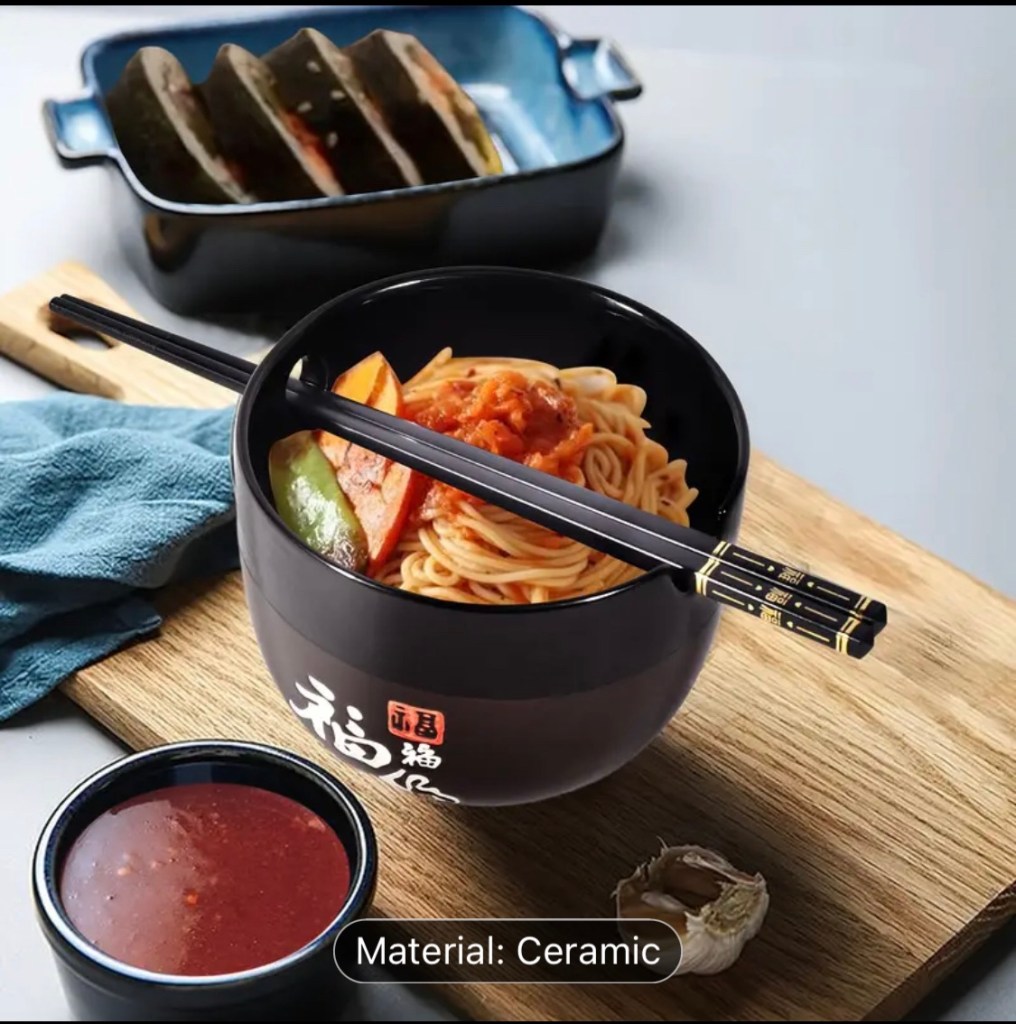
A ceramic ramen bowl keeps your ramen hot for a longer period of time than its melamine or plastic counterpart. Ceramic bowls are typically dishwasher-safe and microwave-safe.
Melamine ramen bowls hold your soup noodles without transferring a large amount of heat to the bowl’s exterior, making it easy to hold. Unlike ceramic bowls, they are lightweight and difficult to break.
If they’re made from stainless steel, it must be a higher stainless steel quality, it is important also to make sure that they’re double walled, so that soup doesn’t cool too quickly or preventing risk of burns and scalding when serving.
Wooden bowls have no such issues and can be used with hot soup. Wood is a natural insulator so it keeps food warm while protecting hands from excess heat.
Menbachi bowls are popular for serving ramen as they are substantially deeper and wider allowing a decent meal portion. Menbachi is the Japanese name for a noodle bowl. Other types include Tamadon, Koudaidon and Marukoudaidon.
The soup of spicy ramen is usually red, so white bowls help the bright red colour stand out. While it is better to pick a darker colour bowls for the Tonkotsu ramen as it has a creamy light colour, cloudy soup creating a much amazing food presentation.
The larger bowl capacity allows adequate space for serving different kinds of food. Adhering to the Japanese tradition of not filling the bowl to its maximum capacity to avoid spillage, burns, and to ensure a firm grip on the bowl.
Some bowls have holes on the side These bowls have holes to hold the chopsticks, which ensures the chopsticks always have a proper place (while eating and for storage). Some bowls have lids to prevent the contents from spilling, to prevent the contents from getting cold, and to prevent dust from getting in.
While these aesthetic design serving bowls features in various types that are aesthetically pleasing and artistic designs, adding a decorative element to your dining experience also add a touch of elegance and style to your table setting.
Here are our selected amazing pieces for you to browse on. Get the best deals on amazing serving wares now at Temu.
Do browse on these amazing items, check each photo, given each item ID code & links for you to see item’s details.
Note: Items promo and amazing offers at limited time. Grab exciting offers before it sells out.
Affiliate link: join us @ https://temu.to/m/ulezhevwe1y






Disclaimer: Every affiliate product is independently selected, though we may be compensated or receive an affiliate commission if you buy something through our links. Ratings and prices are accurate and items are in stock as of time of publication.
Blog date updated: 27/02/24
 The house of Juanitha
Leave a comment